Adaptive Strategy
Naming the Camel in the Room
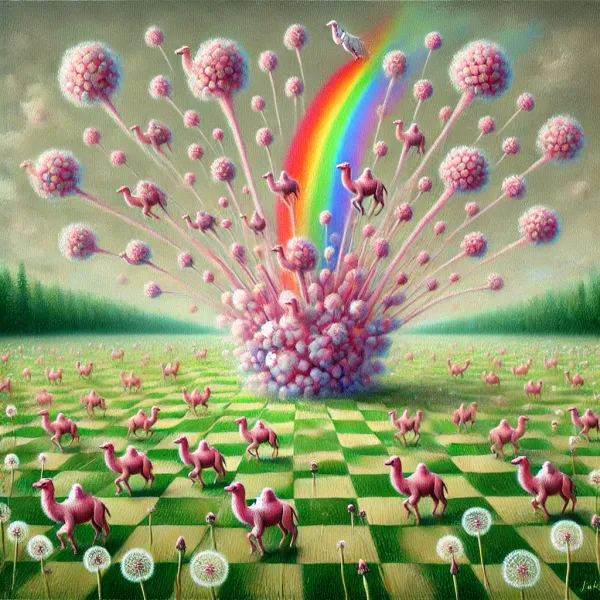
On inherited ambition, the pain of unlearning it, and what becomes possible when organizations - and people - start working with their actual nature.

Adaptive Strategy
On inherited ambition, the pain of unlearning it, and what becomes possible when organizations - and people - start working with their actual nature.

Adaptive Strategy
Most organizations do not lack signals, they lack a pathway from signal to decision. This article explores why foresight often becomes theatre or fantasy, and why the real work is earlier relevance, decision readiness, and timing under pressure.

Adaptive Strategy
Most strategies assume growth. Few examine how that assumption changes the way decisions are made.

Adaptive Strategy
We treat foresight as if it were about time and the yet-to-come. But real impact begins when we realise: foresight is about timing.

Adaptive Strategy
Foresight inspires, but only decisions give imagination direction. Without that link, the future stays a performance.

Adaptive Strategy
The skill of modern strategy isn’t making perfect decisions. It’s knowing when a once good one has expired.

complexity
The real shift isn’t from business as usual to experimentation, but from reaction to anticipation. This is the frontier between surviving and evolving.
Strategy
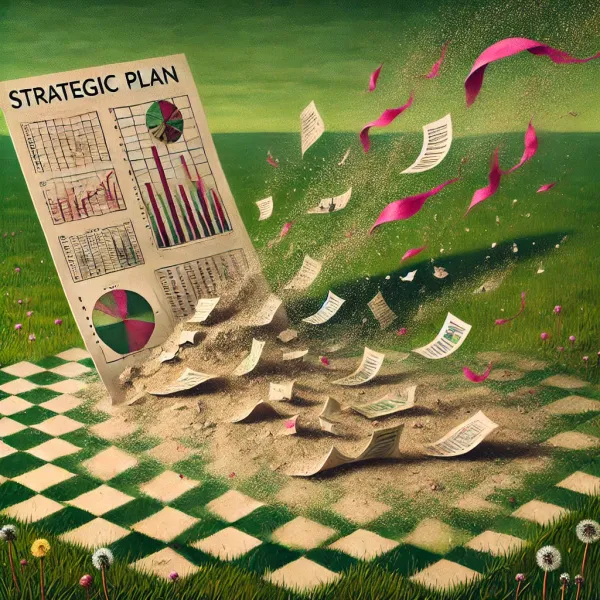
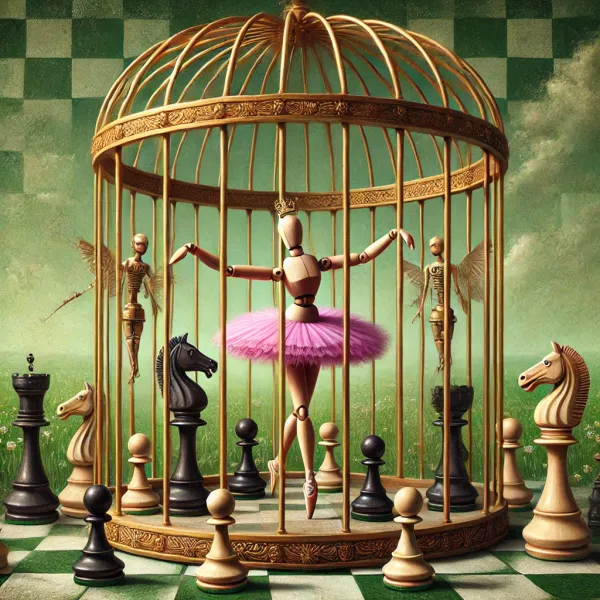
Most companies trust the rhythm of five-year plans and annual budgets, but without governance of superposed futures, they risk pacing the same cage while calling it strategy.
Futures
When the present grows too heavy to move, organizations often reach for the same answer they always reach for, the promise of more control. The reflex is almost automatic. Prutures.

complexity
We often imagine change as a clean swap of parts, one process out, another in, and we keep telling ourselves that with enough focus and discipline the machine will run better.

Transformation
Transformation isn’t subtraction. It’s not about taking something out to make space. It’s the reconfiguration itself that changes everything. Letting go isn’t absence, it’s a shift in how things relate so something new can begin.

complexity
Most structures are built to last. But what if that isn't the point? Sometime care looks like building, and sometimes care looks like stepping aside.